Marine Fire Hose and Coupling Inspection: A PSC Checklist for the Fire Main
TL;DR: Fire hoses and their couplings are inspected alongside the fire main during port state control and class surveys. Most deficiencies are not catastrophic: a cracked lining, a mismatched coupling, dry-rotted jacket stitching, or a hose stored wet. This guide lists what to check on each hose and coupling before a survey, and which product specifications to match against your fire main record.
What the Marine Fire Hose and Coupling Do
A marine fire hose carries water from the fire main to a hydrant, nozzle, monitor, or shore connection. The coupling at each end joins the hose to the hydrant or nozzle; if the coupling type, thread, or diameter does not match, the hose cannot be connected under pressure. On board, hoses are paired with hydrants and nozzles in fixed locations, and the arrangement is recorded in the ship’s fire control plan and equipment list.
The point worth keeping in mind: the hose is only as good as its ends. A sound lining on a hose whose coupling threads are worn or mismatched still cannot be used effectively when a fire main is opened.
PSC Checklist: What Inspectors Look At
| Item | What to verify on board |
|---|---|
| Caliber and length | Matches the fire main layout record; common marine caliber DN65, supplied in set lengths such as 20 m |
| Lining | Synthetic rubber or EPDM lining, free of cracks, hardening, or internal delamination |
| Working pressure | Rated to the fire main working pressure of the vessel (the reference hose ZY-HH-65 is rated 0.8 MPa) |
| Coupling type | STORZ, NAKAJIMA, or threaded coupling matched to the hydrant and nozzle on that station |
| Jacket and stitching | Single or double jacket intact; stitches not frayed or broken along the length |
| Storage | Hose dried, drained, and stowed in the rack or cabinet for its station, not left rolled wet |
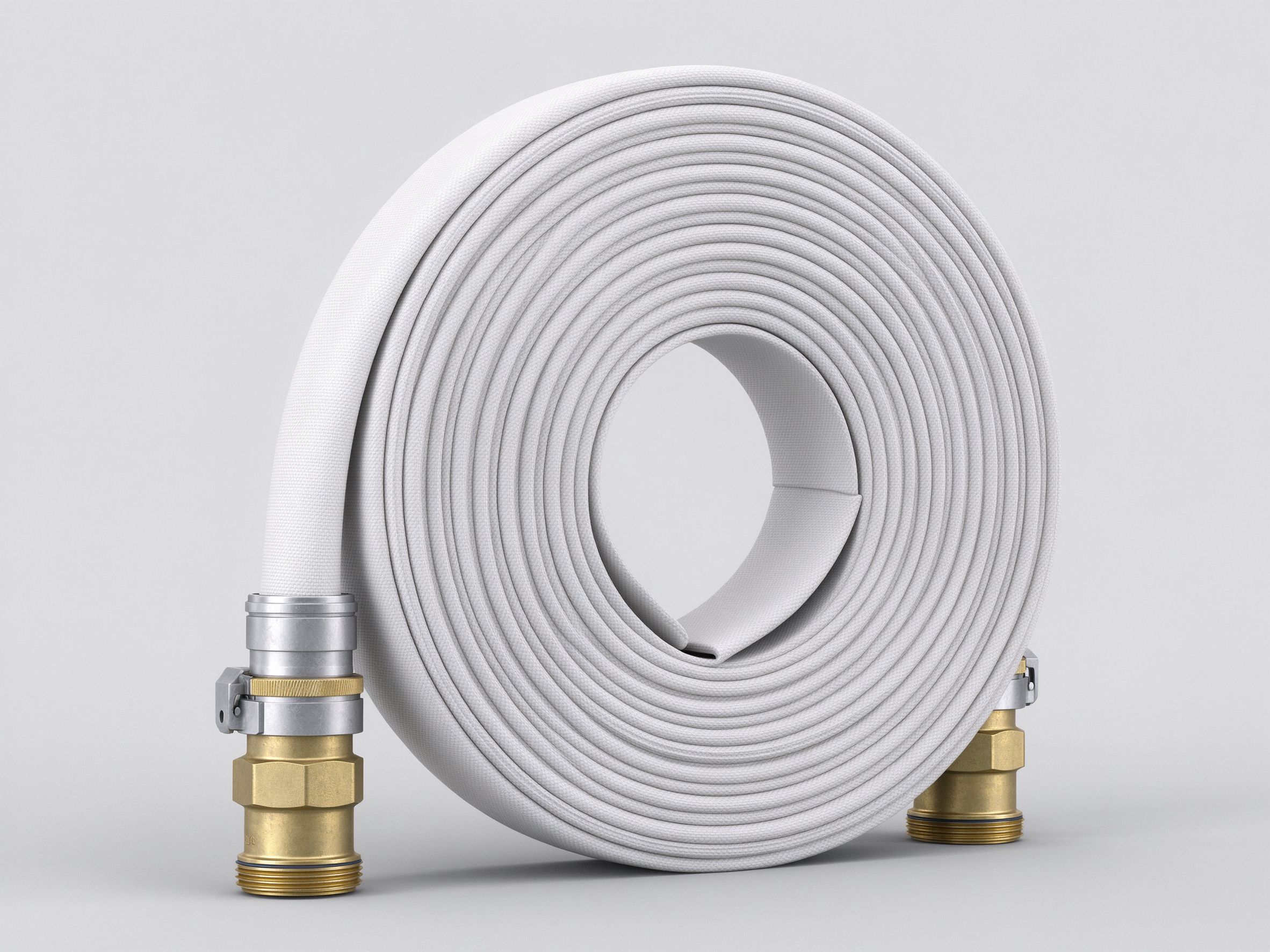
The reference product, the Marine Fire Hose (20m DN65) ZY-HH-65, uses a synthetic rubber lining, DN65 caliber, 20 m length, and a 0.8 MPa working pressure. Confirm these figures against your own fire main record before ordering. Other hose constructions, including single- and double-jacket EPDM-lining and natural-rubber-lining types, are listed in the fire hose category.
Couplings: Match the Hydrant and Nozzle
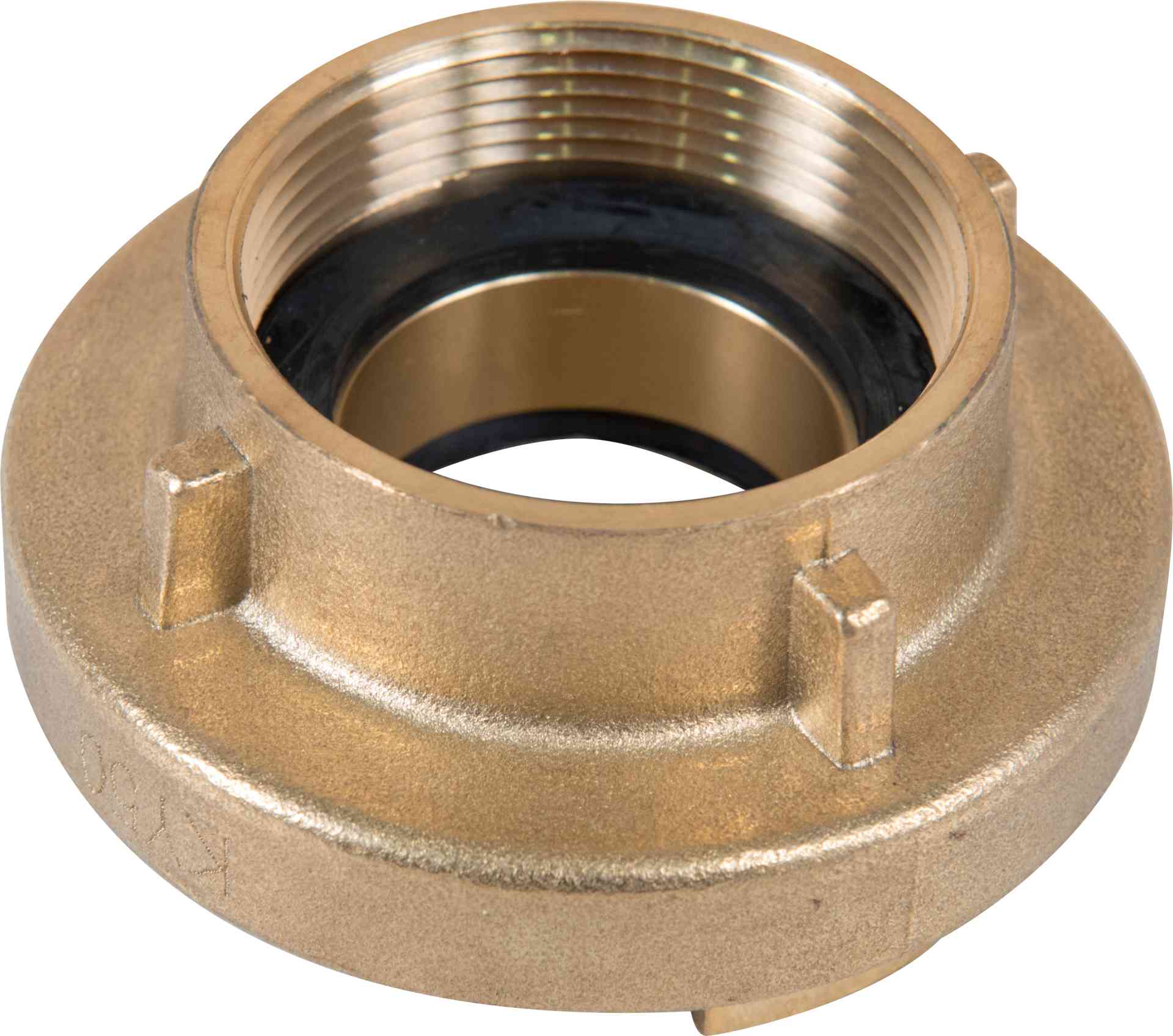
Coupling standards differ by region and vessel. STORZ is a quick-action symmetric connection; NAKAJIMA and threaded couplings follow other regional patterns. A coupling that fits one hydrant may not fit the next station, which is why each hose should be kept paired with its nozzle and tested on its own hydrant during the weekly fire main check.
When inspecting couplings, check the seal face for dents or corrosion, the thread or cam tracks for wear, and that the locking action closes firmly. A loose or damaged coupling can leak under pressure or fail to engage. The STORZ Hose Thread Coupling is one of the coupling types listed alongside the hose range; verify the interface against your hydrant standard before purchase.
Common Deficiencies Found on Inspection
From routine fire-main checks, hose and coupling deficiencies cluster around the following:
- Lining cracked, hardened, or peeling after long wet storage
- Jacket stitching frayed or broken along the hose length
- Coupling type or thread mismatched to the hydrant or nozzle
- Seal face corroded, dented, or locking loosely
- Hose stowed rolled wet, leading to internal mold or rot
- Spare hose and couplings not kept to the station arrangement record
A practical check before a port call: drain and unroll each hose, run a hand along the jacket, check the lining end, and fit the coupling to its hydrant and nozzle once. Record any hose that leaks or does not engage, and replace it rather than relying on the spare only when a surveyor asks.
Frequently Asked Questions
Q: How often should marine fire hoses be inspected?
A: The fire main and hoses are checked on the vessel’s weekly and monthly maintenance rounds, with a full review before class survey. Check lining, jacket, couplings and sealing each round, and keep a record of any replacement.
Q: What is the difference between STORZ and NAKAJIMA couplings?
A: They are different connection standards. STORZ uses a symmetric quick-action coupling; NAKAJIMA and threaded types follow other regional patterns. Match the coupling to the hydrant and nozzle standard already on board rather than assuming they interchange.
Q: Can a damaged hose lining be repaired?
A: A cracked, hardened, or delaminated lining is generally replaced, not patched. A patched hose cannot be relied on at working pressure; record the defect and order a replacement hose to the same caliber and pressure rating.
Q: What working pressure should a fire hose meet?
A: It should match the fire main working pressure of the vessel. The reference DN65 hose is rated 0.8 MPa; confirm the required rating from your fire main record and class rules before selection.
Q: How should fire hoses be stored on board?
A: Drain water after use, let the hose dry, then stow it in its rack or cabinet at the assigned station. Avoid leaving it rolled wet for long periods, and keep couplings protected from corrosion and impact.
HEXINGJU MARINE supplies marine fire hoses, couplings and related firefighting equipment to match vessel fire main arrangements. Send your caliber, length and coupling requirement for a quotation and the available product documentation.