Marine Distress Signals and Line Throwing Apparatus: Types, On-Board Stowage and Inspection Checklist
Before a coastal general cargo ship arrived in port, the duty officer counted each item in the signal locker. The line throwing apparatus line was coiled beside the launcher, seal intact; one hand flare had a whitened, slightly damp casing at the edge; the ship bell hung on its bracket and sounded dull.
Marine Distress Signals and Line Throwing Apparatus: Types, On-Board Stowage and Inspection Checklist
Signals sit locked in a locker until an emergency, and no one wants to discover at that moment that one of them will not work.
Marine distress signals fall into four common groups: line throwing apparatus that sends a line toward a person overboard, hand flares visible by flame at night or in low visibility, smoke signals that mark position by plume in daylight, and bells or gongs for audible warning. They solve different situations — being seen, being heard and reaching a person in the water — so they should be checked and stowed separately rather than treated as one group.
What each signal does
| Signal | Main use | Visibility / audibility | Check focus |
| Line throwing apparatus | Launch a line toward a person overboard or a nearby vessel to make a connection | Relies on throwing range, not light or smoke | Rocket count, line dryness, breaking strength, firing mechanism |
| Hand flare | Hand-held flame for positioning at night or in low visibility | Flame visible at night or in fog | Casing seal, expiry, firing mechanism, dampness |
| Smoke signal | Releases an orange plume to mark position in daylight | Plume visible by day, limited effect at night | Sealing membrane, expiry, casing rust, dry stowage |
| Ship bell / gong | Audible warning in fog or close-quarters communication | Relies on sound | Secure mounting, no crack in bell, normal tone |
Line throwing apparatus: range and breaking strength
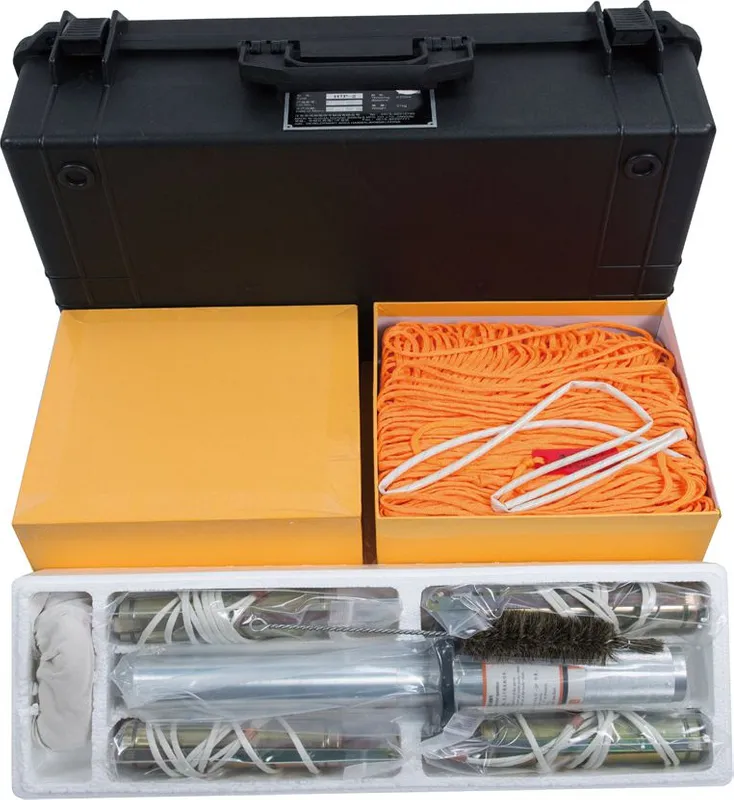
The line throwing apparatus includes a launcher, throwing rockets and a line. The listed model carries one launcher, at least four rockets and four lines; line length 270 m, throwing distance ≥230 m, line breaking strength ≥2 kN, product code 40106004. Exact configuration and placement follow the product certificate and the vessel’s own equipment record.
Keep the line dry; moisture reduces its strength. Count the rockets first, then check the line for mould, stiffness or fraying, and confirm the safety and seal are intact. Rockets and line carry expiry dates; replace well before they lapse rather than returning the set to the locker after one quick look.
Flare and smoke: day and night roles
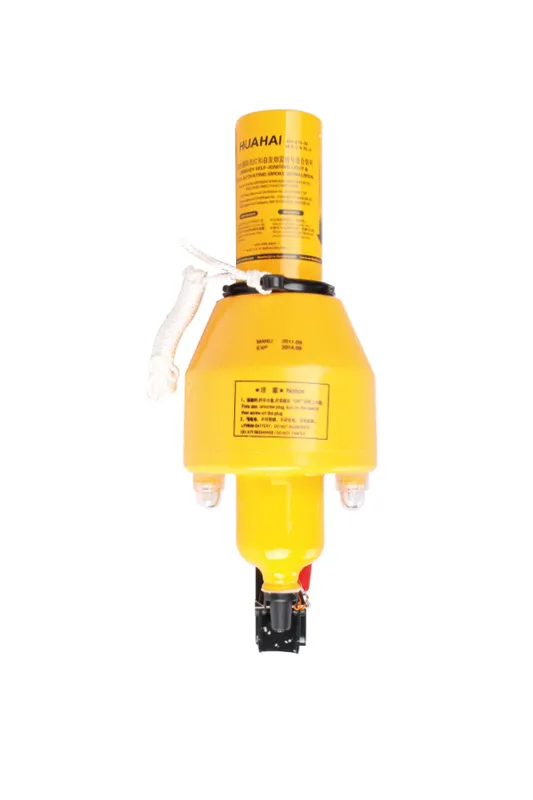
A hand flare produces flame and is easier to spot at night or in poor visibility; a smoke signal releases an orange plume that marks position on the water in daylight, and the plume is hard to see after dark. Store the two types separately in the locker, and follow the abandon-ship muster list for which to take first.
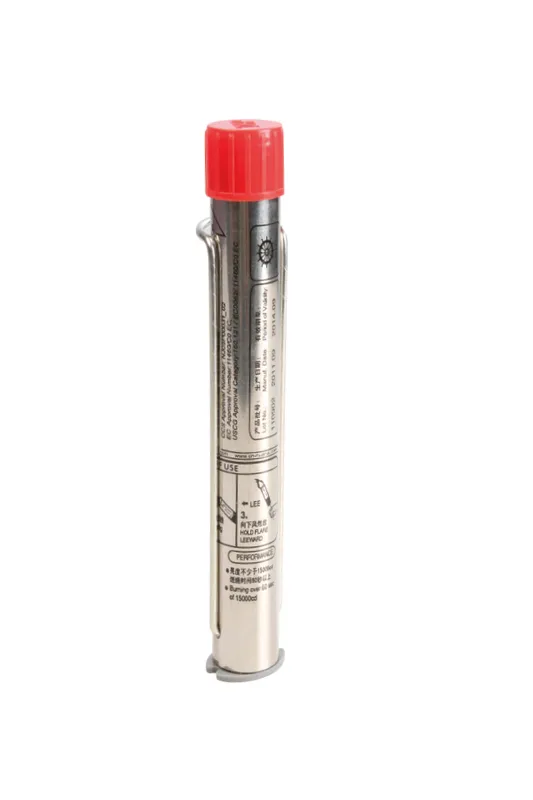
The hand flare and the combined smoke signal are both single-use consumables. Once the sealed casing is damaged, the seal is off, or the expiry date has passed, the item cannot be relied on. Check the expiry marking at the tail, feel the casing for swelling or rust, and confirm the firing part is not jammed.
Ship bell: test the sound regularly
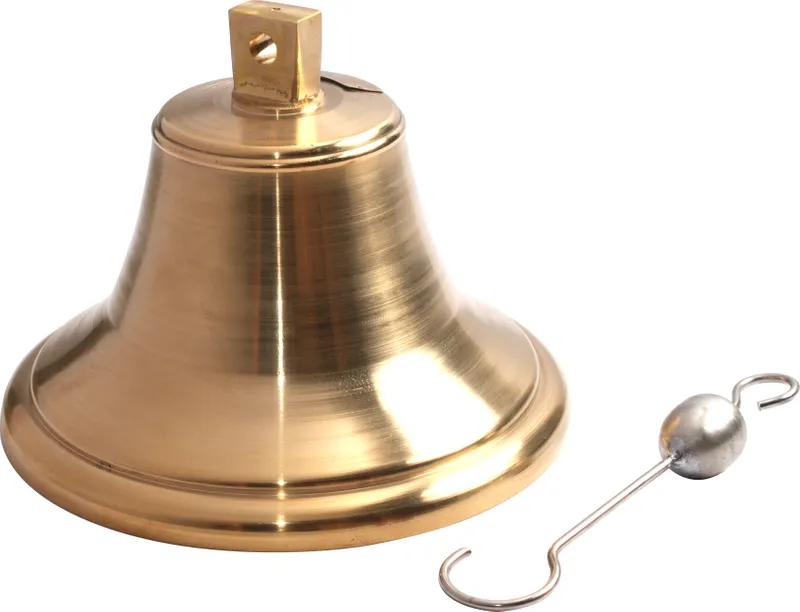
The ship bell relies on sound rather than light or smoke. The listed ship bell comes in WZ-6, WZ-8 and WZ-12 sizes, lead brass Hpb59-1, sound level ≥110 dB. The mounting must be secure so the bell does not shift and knock around in heavy weather. Strike it from time to time and listen to the tone; a dull sound or a crack should be logged for replacement.
Stowage and monthly inspection
Keep signals in a dedicated locker or bracket, dry and quickly reachable, not blocked by stores. The locker should stay ventilated to avoid long-term damp. A monthly inspection usually covers the following:
1. Count: match rockets, lines, flares, smoke signals and bell against the vessel list; log any shortage.
2. Casing and seal: check for rust, swelling, damp whitening, and confirm seals and safeties are intact.
3. Expiry: read the expiry marking on each item; flag near-expiry and expired units for replacement in advance.
4. Line condition: keep the throwing line dry, free of mould, stiffness and fraying; breaking strength follows the product parameters.
5. Mounting and sound: brackets secure, bell hung steady, tone normal.
FAQ
Is the line throwing apparatus the same as the line on a lifebuoy?
No. The apparatus is a dedicated launch system that fires a rocket and line to a distance; the lifeline on a lifebuoy is for a person in the water to hold onto. Their length and strength serve different purposes and are not interchangeable.
Smoke signals work by day; should flares still be carried at night?
A plume is hard to see after dark, and a flare is more direct at night. Keep both on board per the vessel equipment list, and take the matching signal for the visibility condition.
If the casing looks fine, does the signal still need replacing?
Appearance is not enough. A broken seal, missing tamper seal or expired date means replacement even if the casing looks intact; a damp line loses strength and needs a separate check.
The bell sounds quieter than before; can it stay in service?
First check whether the mounting is loose or the bell has a crack. If the tone stays dull after ruling out installation issues, log it for replacement; the audible signal is one of the main positioning means in fog.
To check your vessel’s signal configuration or request replacement parts, send an email through the contact details on this page with the vessel type and existing signal model; we will suggest matching products by use and position.