Portable Fire Extinguisher Selection: CO2, Dry Powder and Foam Compared, On-Board Stowage and Monthly Inspection
Before a general cargo ship arrived in port, the third officer pulled each portable extinguisher out along the deck and in the engine room. One dry-powder unit had its pressure needle sitting in the red zone, and the hose of a CO2 unit was cracked along the root, with its tamper seal missing.
Portable Fire Extinguisher Selection: CO2, Dry Powder and Foam Compared, On-Board Stowage and Monthly Inspection
Both were marked for replacement. Extinguishers hang on their brackets and look much the same, but when it comes to provisioning and inspection, whether the agent matches the fire class, whether the pressure holds and whether the parts are aged are very concrete questions.
On board, portable extinguishers split into CO2, dry powder and foam types, each with different stowage positions and suitable fire classes. Start from the ship’s equipment record: what combustibles each space may hold, before choosing a model. This guide walks through the issues that come up during selection and routine checks.
CO2, Dry Powder and Foam: Sort the Three First
| Type | Suitable fire class | Characteristics | Watch-outs |
| CO2 | Electrical equipment, sensitive instruments, engine-room electrical fires | No powder residue after discharge, suited to equipment areas sensitive to contamination | Not for deep-seated solid fires; the horn gets cold during discharge, watch against frost injury; ventilate after use |
| Stored-pressure dry powder | Solid, liquid and electrical fires; broad coverage | Versatile, common on deck and in the engine room | Powder residue needs cleaning afterwards; check pressure and cylinder condition regularly |
| Foam (gas cartridge type) | Liquid fires on deck and open weather decks; forms a sealing layer | Smothers liquid oil fires by sealing the surface | Must not be used on energized electrical equipment; check the cartridge and hose |
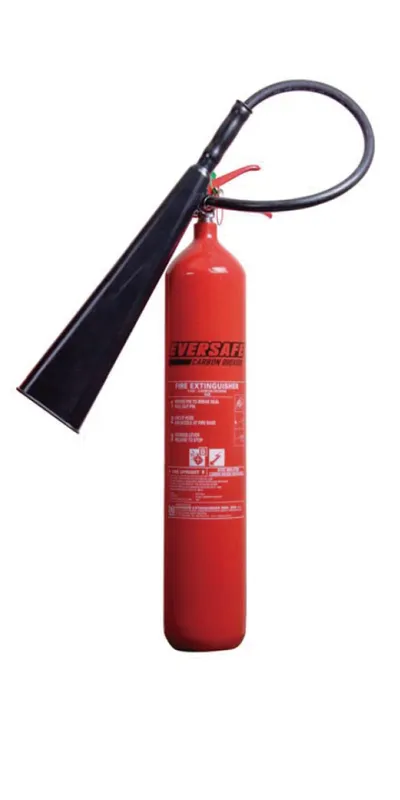
A CO2 extinguisher works by discharging carbon dioxide for cooling and smothering, and suits electrical and contamination-sensitive areas. The 5KG CO2 Fire Extinguisher is this type; confirm its specifications and suitable positions against the product certificate and your own equipment record.
Select by Combustible, Not by Appearance
The engine room holds electrical gear and oil lines; the galley holds cooking oil and gas; the deck may hold paint, oil and rope; accommodation holds fabric and furniture. The combustibles differ by space, so the agent has to match them. An extinguisher beside an electrical cabinet in the engine room and one in a deck paint store cannot be selected the same way.
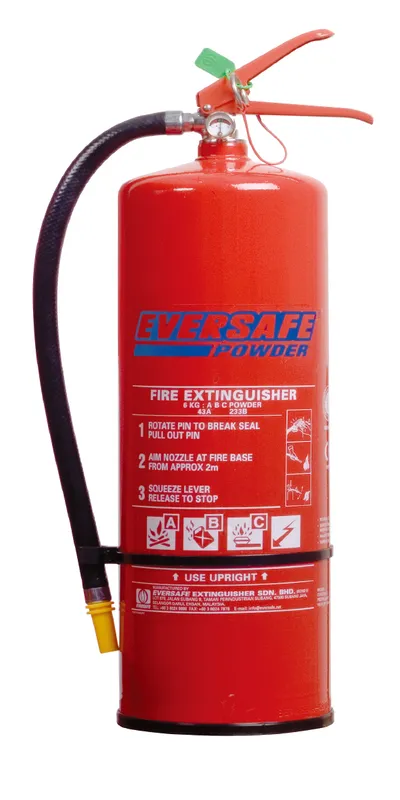
Dry powder is versatile and covers solid, liquid and electrical fires, making it a common deck and engine-room unit. The 6KG Stored Pressure Dry Powder Fire Extinguisher targets multiple fire classes; before ordering, confirm whether its parameters meet the space requirements.
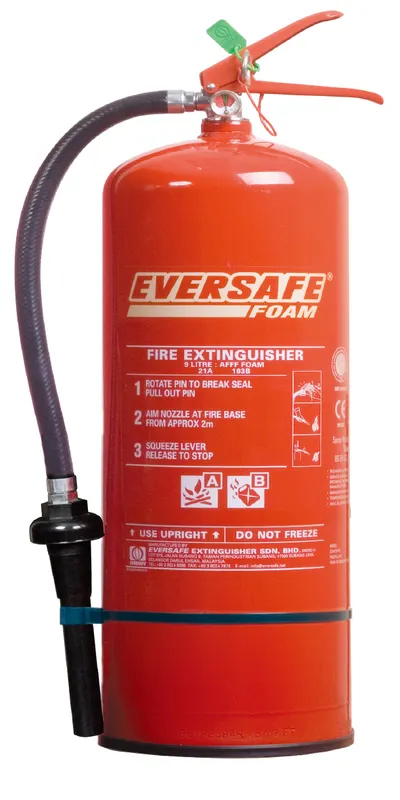
A foam extinguisher forms a sealing layer over liquid fires on deck and weather decks, cutting off air from the oil surface. The 9L Foam Fire Extinguisher (Gas Cartridge Type) is this type; foam units are not used on energized electrical equipment. More models can be sorted by space and agent on the marine fire extinguisher category page.
Stowage and Monthly Inspection: Pressure, Cylinder, Hose and Label
Extinguishers are fixed on brackets or in lockers, with the access route kept clear of stores and the marking easy to read. Routine checks go item by item: pressure needle in the green zone; cylinder free of rust, dents and impact marks; hose and horn free of cracks, aging or blockage; handles, pin and tamper seal in place; label legible with agent type and specification readable.
CO2 units are weighed periodically; if weight falls below the label range they must be refilled or replaced. Dry-powder and foam units are checked by pressure indication and cylinder condition. Units with low pressure, damaged parts, missing labels or overdue inspection must not be left in place as fillers; replace them to the record and keep spares.
Common Deficiencies Found in Inspection
From routine self-checks and port inspection feedback, portable extinguisher deficiencies cluster around these items: pressure needle in the red zone; cracked or aged hose and horn; missing pin or tamper seal; rusted or dented cylinder; peeled label with agent type unreadable; blocked by stores or gear; overdue for weighing or inspection.
Before each port call, the third officer can spot-check: appearance and cylinder on every unit, pressure indication read, hose and handles worked by hand, pin and seal confirmed in place, label and stowage position verified. Keep spares to the equipment record and replace expired or faulty units promptly.
Frequently Asked Questions
Q: Can a CO2 extinguisher put out a solid wood fire?
A: CO2 mainly targets electrical and liquid fires and is limited on deep-seated solid combustion; solid fires should be covered by a matching dry-powder or foam unit selected for that space.
Q: How do I choose between dry powder and foam?
A: Dry powder is versatile across solid, liquid and electrical fires, with powder residue to clean afterwards; foam suits liquid fires on deck and smothers by sealing the surface, and must not be used on energized equipment.
Q: How often is an extinguisher inspected?
A: Run an appearance and pressure self-check each month; weighing and validity follow the label and the ship’s equipment record. Replace units with low pressure, damaged parts or unclear labels rather than carrying an expired unit.
Q: How many extinguishers go in each space, and what size?
A: Count and size follow the ship’s equipment record, space layout and applicable rules; this guide gives no fixed number. State the space type and combustibles when selecting, and have the layout scheme checked item by item.
Contact: liuhaiyan@hexingju.cn
HEXINGJU MARINE — marine fire-fighting equipment manufacturer; contact us to match extinguisher selection to your vessel’s spaces.