Marine Fire Suppression Systems Price Comparison: Choosing the Right Solution Within Your Delivery Timeline
核心结论
<h1>Marine Fire Suppression Systems Price Comparison: Choosing the Right Solution Within Your Delivery Timeline</h1> <p>…
消防系统1 分钟阅读
<h1>Marine Fire Suppression Systems Price Comparison: Choosing the Right Solution Within Your Delivery Timeline</h1>

<p>In the shipbuilding industry, a delayed delivery doesn't just mean slipped schedules — it means cascading financial losses. Dry dock costs escalate daily, vessel handover deadlines slip, and charterers question your reliability. When it comes to <strong>marine fire suppression systems</strong>, the pressure to choose the right system at the right price within the right timeframe is relentless. This guide compares the major categories of marine fire protection systems, their pricing ranges, certification requirements, and — critically — how delivery timelines factor into your procurement decision.</p>

📷配图位

<h2>Understanding Marine Fire Suppression System Categories and Price Ranges</h2>

<p>Marine fire suppression systems are not one-size-fits-all. The International Maritime Organization's SOLAS requirements, combined with class society rules and flag state regulations, dictate which systems are mandatory for different vessel types and spaces. Here's a breakdown of the most common categories you'll encounter in procurement:</p>

<h3>Fixed Fire Detection and Alarm Systems (FFDAS)</h3>
<p>These are the first line of defense on every commercial vessel. A complete marine fire detection system — including control panels, heat and smoke detectors, manual call points, and visual alarms — typically ranges from <strong>$15,000 to $60,000</strong> depending on vessel size and zone configuration. Standard lead times are 8–14 weeks for certified units. For vessels under tight construction schedules, expedited options may be available at a premium.</p>

<h3>CO₂ Fire Suppression Systems</h3>
<p>Engine rooms and cargo pump rooms on larger vessels require fixed CO₂ flooding systems. Pricing for a complete installation — including CO₂ bottles, piping, nozzles, and trigger mechanisms — ranges from <strong>$40,000 to $200,000+</strong> for large bulk carriers and tankers. The critical detail here is certification: systems must carry MED (Marine Equipment Directive) approval alongside the relevant class society certificates. Lead times of 12–20 weeks are standard for full MED-certified packages.</p>

<h3>Water-Based Systems: Fog, Sprinkler, and Hydrant Networks</h3>
<p>Freshwater and seawater fire main systems, fire pumps, hydrants, hoses, and deluge/fog nozzles form the backbone of onboard fire protection. Complete systems for mid-size vessels typically range from <strong>$25,000 to $120,000</strong>. Foam-water sprinkler systems for machinery spaces push the upper end. Delivery timelines are generally 10–16 weeks, though some component manufacturers maintain buffer stock for critical items.</p>

<h3>Portable Fire Extinguishers and Emergency Equipment</h3>
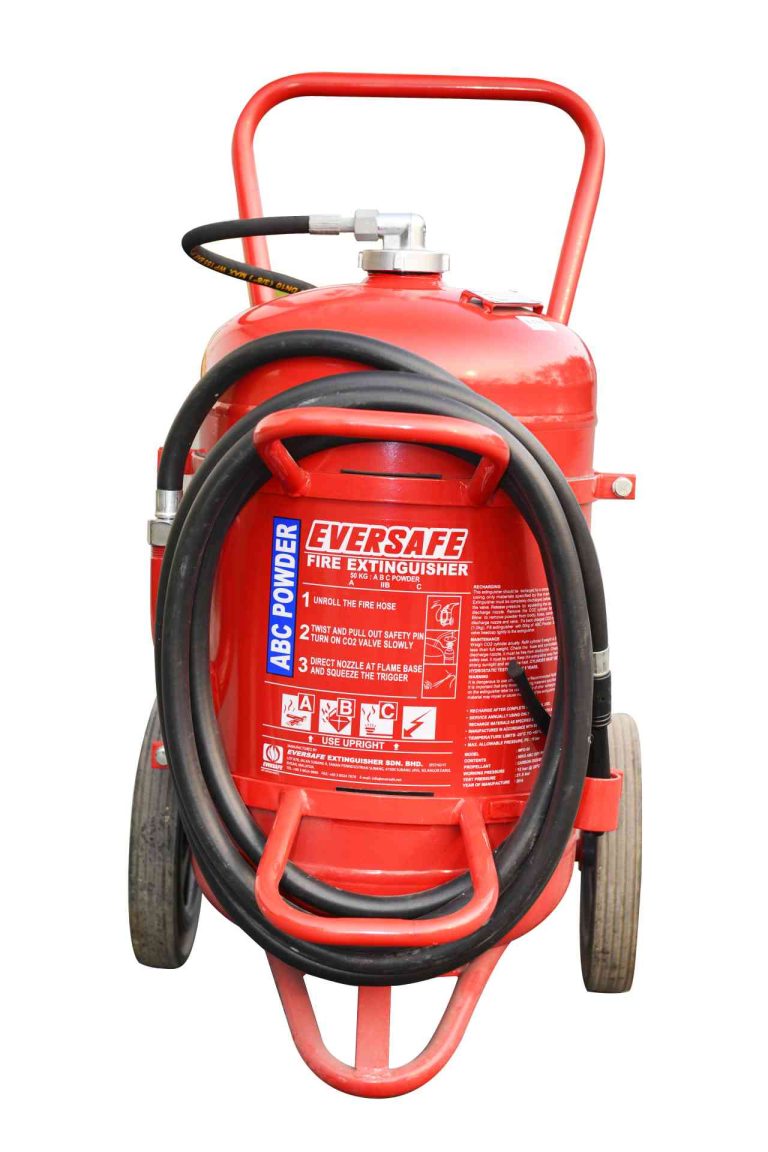
<p>Though often procured separately, portable extinguishers (dry powder, CO₂, foam, and water types), fire blankets, and emergency lighting are essential line items. A full vessel complement typically costs <strong>$5,000 to $25,000</strong>. These items usually have the shortest lead times — 4–8 weeks — and should be scheduled last in your procurement timeline to avoid damage or expiry before sea trials.</p>

<h3>Specialized Systems: Inert Gas and Halon Alternatives</h3>
<p>Tanker inert gas systems, gaseous agent systems (FK-5-1-12, Novec 1230), and protected space applications for navigation bridges and control rooms represent the high-specialization segment. Prices range from <strong>$80,000 to $500,000+</strong>. Lead times are the longest in the category — 20–32 weeks — due to custom engineering and rigorous class approval processes.</p>

<h2>How Delivery Timelines Impact Your Total Cost of Ownership</h2>

<p>When shipyards face delivery pressure, the cheapest quote is often the most expensive choice. A delay in receiving <strong>marine fire suppression systems</strong> can halt hull completion, block class surveys, and force costly resequencing of outfitting work. The difference between a system that arrives on time and one that slips three weeks can represent tens of thousands of dollars in demurrage and idle crew costs alone.</p>

<p>This is why experienced marine procurement teams prioritize suppliers who offer transparent delivery commitments backed by written guarantees. A supplier with a documented track record — such as a family-owned enterprise that has served the shipbuilding industry for four decades across two generations — understands the operational rhythm of shipyards and builds delivery reliability into its business model rather than treating it as an afterthought.</p>

<p>The certification landscape adds another layer of complexity. Systems bearing certifications from CCS, DNV, ABS, BV, LR, and USCG meet the requirements of the world's major flag states and class societies. However, not all certified systems are available from stock, and lead times vary significantly by certifying body and product line. Before committing to a supplier, verify that their certifications are current and applicable to your vessel's class and flag. Our supply chain supports simultaneous multi-certification projects, and we support on-site factory audits by clients or third-party inspection agencies — because transparency in manufacturing is non-negotiable when delivery timelines are on the line.</p>

<h2>Strategic Procurement: Maximizing Value Without Compromising Schedule</h2>

<p>Building a fire protection system package that balances cost, certification coverage, and delivery speed requires strategic planning. Here are the principles that separate successful procurement from costly mistakes:</p>

<p><strong>Consolidate with a single certified supplier.</strong> Managing multiple vendors for detectors, piping, CO₂ units, and extinguishers fragments responsibility and multiplies communication overhead. A single-source supplier with comprehensive product lines — from detection panels to portable equipment — reduces coordination risk and simplifies warranty claims. One shipyard we worked with achieved a <strong>7:1 return on investment</strong> by consolidating their fire protection procurement with a single certified partner, eliminating duplicate engineering reviews and reducing inspection visit costs by 40%.</p>

<p><strong>Verify real-time order tracking.</strong> The best price is irrelevant if the system disappears into a black box for twelve weeks. Reputable suppliers provide real-time production progress tracking, so your procurement team knows exactly where each order stands — from raw material staging through hydrostatic testing to final certification packaging. This visibility allows you to adjust shipyard schedules proactively rather than reactively.</p>

<p><strong>Build in buffer time for class survey coordination.</strong> Even on-account systems with full certifications require surveyor verification during installation. Coordinate your supplier's technical documentation delivery with your class society's inspection schedule to avoid the scenario where equipment sits uninstalled while awaiting surveyor availability.</p>

<p><strong>Commit to written delivery guarantees.</strong> Vague promises of "standard lead times" are not sufficient protection. Leading suppliers provide written delivery commitments in the contract, with clear penalty clauses for delays attributable to the supplier. This is not standard practice across the industry, but it should be — and the suppliers who offer it are typically the most confident in their production capacity and quality control.</p>

<h2>FAQ: Marine Fire Suppression Systems</h2>

<div>
  <div>
    <h3>What certifications are required for marine fire suppression systems?</h3>
    <div>
      <p>Marine fire suppression systems must comply with SOLAS Chapter II-2 and carry approval from the relevant class society (CCS, DNV, ABS, BV, LR, or USCG). Additionally, systems supplied to EU-flagged vessels require MED (Marine Equipment Directive) certification under EU Regulation 2014/90/EU. Many vessel projects require multi-certification to satisfy both class and flag state requirements simultaneously. Always verify that each system's certificate covers the specific vessel type, power rating, and application space before procurement.</p>
    </div>
  </div>

  <div>
    <h3>How do delivery timelines for marine fire protection systems vary by system type?</h3>
    <div>
      <p>Lead times vary significantly: portable fire extinguishers and basic detection components typically ship in 4–8 weeks; fixed detection and alarm systems take 8–14 weeks; water-based hydrant and deluge systems require 10–16 weeks; CO₂ flooding systems need 12–20 weeks; and specialized systems such as inert gas or gaseous agent installations can take 20–32 weeks. Suppliers who maintain strategic component inventory and offer real-time production tracking can often reduce these timelines for well-planned orders.</p>
    </div>
  </div>

  <div>
    <h3>What should be included in a marine fire suppression system procurement contract?</h3>
    <div>
      <p>A robust procurement contract should specify: (1) Detailed technical specifications aligned with SOLAS and class requirements; (2) All applicable certifications (CCS, DNV, ABS, BV, LR, MED, USCG) with certificate numbers; (3) Written delivery timelines with penalty clauses for supplier-caused delays; (4) Real-time production progress reporting; (5) Factory acceptance testing (FAT) procedures; (6) Warranty terms covering both materials and workmanship; (7) Technical support and commissioning assistance scope; (8) Spare parts recommendations for initial delivery. Contracts from experienced suppliers also include quality guarantee clauses with financial accountability, not merely verbal assurances.</p>
    </div>
  </div>

  <div itemscope itemprop="mainEntity" itemtype="https://schema.org
Contact Us: liuhaiyan@hexingju.cn HEXINGJU MARINE EQUIPMENT — Professional Marine Equipment Manufacturer, Certificates Issued per Model, Global Shipping Available