Lifebuoy and Lifeline Provisioning for SOLAS: Quantity, Self-Igniting Light and Smoke Signal Checklist
During a PSC inspection at the Singapore anchorage last year, an inspector counted the lifebuoys on a bulk carrier, noted how many hung on each side, then reached for one: the self-igniting light battery compartment was corroded shut, and the smoke signal beside it was two months past its label date.
Lifebuoy and Lifeline Provisioning for SOLAS: Quantity, Self-Igniting Light and Smoke Signal Checklist
Two deficiencies were opened: lifebuoy signal equipment inoperative, and spare lifeline missing. After berthing, the ship replaced two lights, one set of signals and one lifeline, losing a day of loading.
Lifebuoys look like the simplest gear on board, hanging on the rail and taking little space. When inspection or an actual abandonment comes down to it, the count mix, light and signal validity, and lifeline condition all matter. This guide walks through the issues that actually come up during selection and on-board checks.
How Many Lifebuoys Do You Need: Do Not Copy Another Vessel
SOLAS sets the lifebuoy provisioning requirement; the exact number and the port/starboard split depend on vessel length, type and persons on board. Too few is non-compliant. Too many without proper stowage can wash away in heavy weather. Start from the ship’s SOLAS equipment record and class drawings, verify the count on each side, and check that what is actually mounted matches the record.
| Item | Check point |
| Total lifebuoys | Match the equipment record and drawings; sized to vessel type and POB; even port/starboard distribution |
| With self-igniting light | Marks the person in water at night; fitted to the ratio in the record |
| With self-activating smoke signal | Marks position by day and low visibility; signal within validity |
| With lifeline | Buoy on the lifeline stowed where it can be thrown easily; line intact |
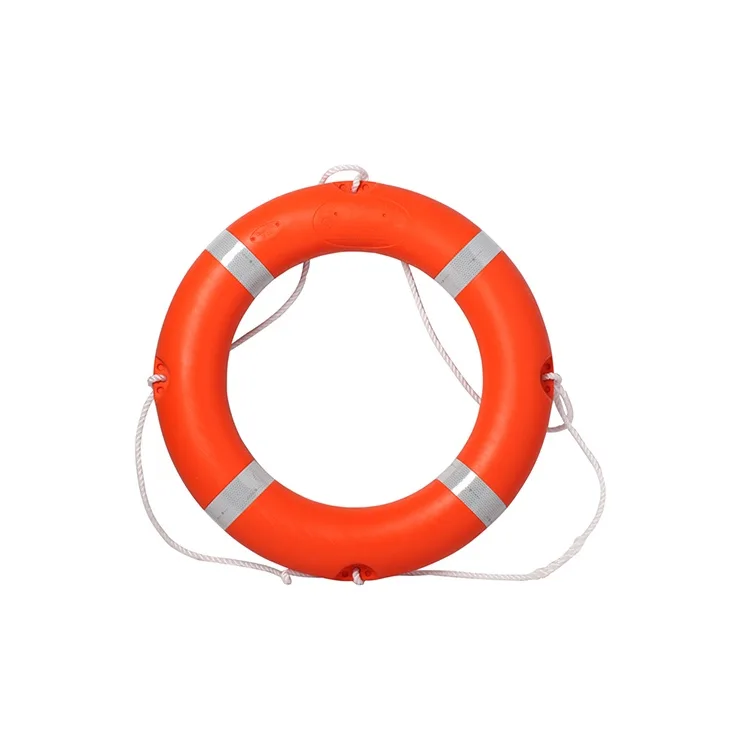
The exact ratio follows the class-approved equipment list and cannot be copied across vessel types. The lifebuoy HY5555 is a standard deck provision; confirm count and layout against your own drawings before ordering.
Self-Igniting Lights and Smoke Signals: Validity Matters More Than Looks
The buoy body may last years, but batteries and smoke compositions carry a shelf life. Check the label date first: an expired light battery or smoke signal must be replaced regardless of appearance. Corroded contacts and fogged, water-infiltrated light housings are also judged inoperative.
We have seen owners replace only the buoy body and keep old lights and signals, only to have every label checked during the renewal survey and the whole set ordered replaced. Register lights and signals on the same expiry ledger as the buoys, and replace them ahead of the due date rather than after they are flagged in port.
Lifeline and Buoy Rack: The Two Items People Miss
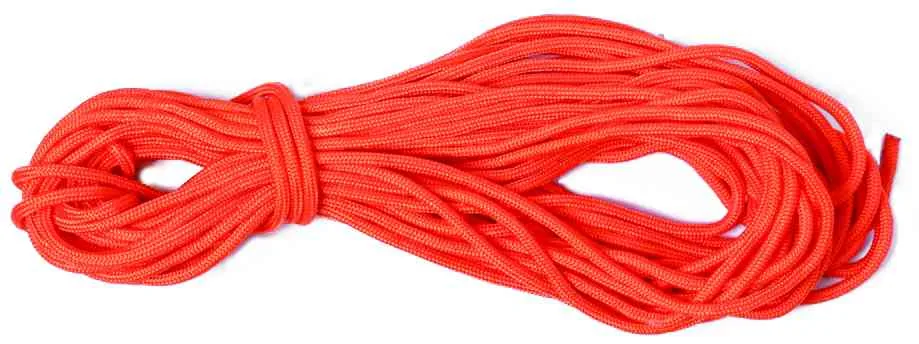
The lifeline is what pulls a person back after the buoy is thrown. A common 30m lifeline is checked for mildew breaks, exposed core and worn thimble. Nylon that has not been rinsed and dried after seawater exposure turns sticky and stiff; plan for replacement in that condition.
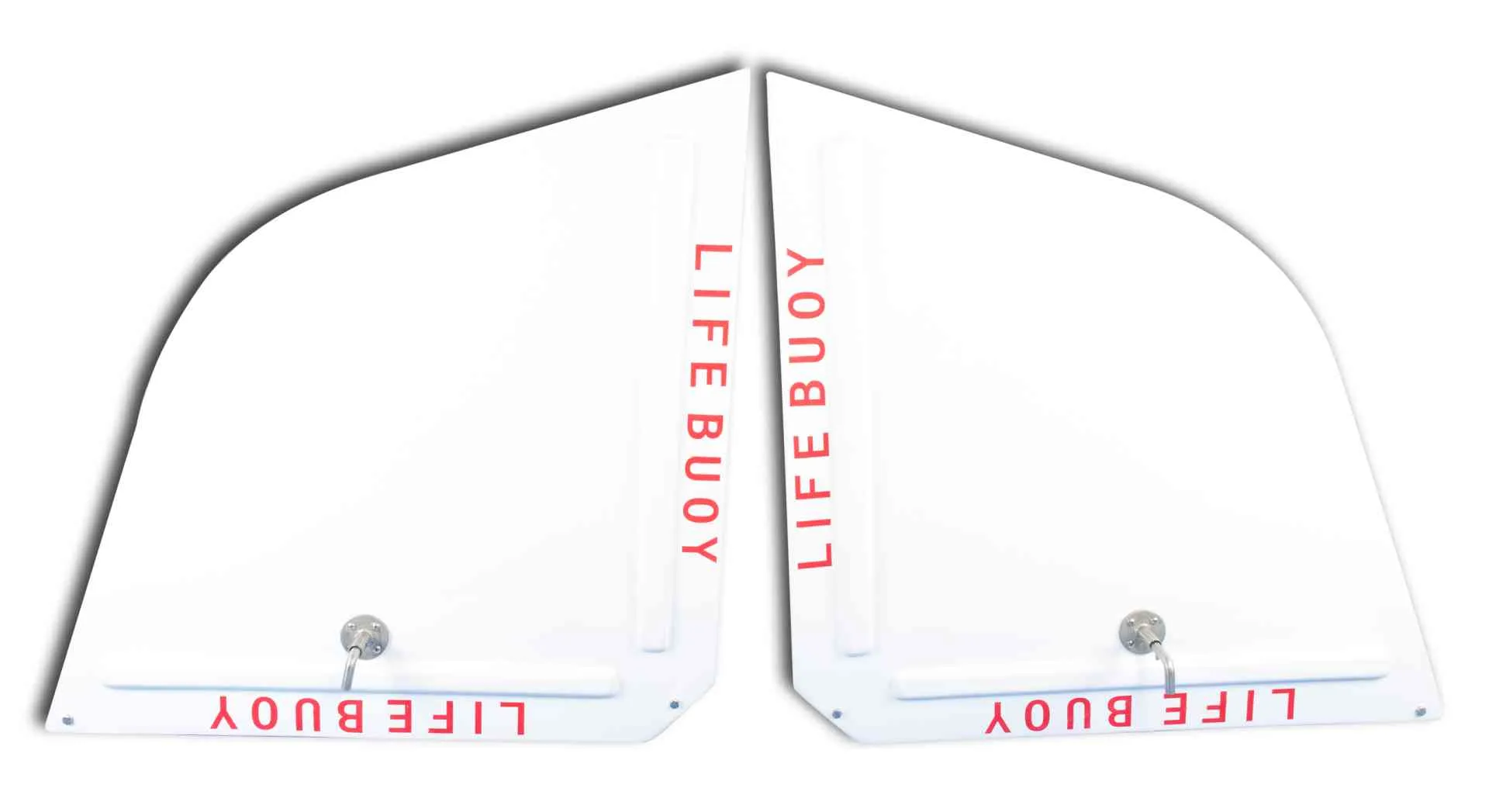
Rack fixing is also overlooked. A rack with cracked welds or loose clips lets a buoy slip off in heavy weather. Fiberglass racks resist corrosion and rust and suit open decks; steel racks need periodic rust removal and repainting. A FRP lifebuoy rack should be accepted together with the buoy; check the fixing bolts and welds one by one.
Common PSC Deficiencies
From recent port state control records, lifebuoy deficiencies cluster around these items:
Count mismatch with the equipment record; expired or inoperative light battery; smoke signal past validity; lifeline rotted or missing; buoy shell cracked or reflective tape detached; rack loose or insecure; spare lights, signals and lifelines incomplete.
Before each port call, the third officer can spot-check: shell for cracks and reflective tape, light tested by its button, signal label date, lifeline pulled for broken strands, and rack bolts and welds tightened. Run a full check again before the renewal survey, as required by the class society.
Frequently Asked Questions
Q: Are more lifebuoys always safer?
A: No. Match the SOLAS record and drawings. Extra buoys without secure stowage can wash away in heavy weather and still count as a deficiency.
Q: Does every buoy need a light and a smoke signal?
A: They are fitted to the ratio in the equipment record: some carry a light, some a signal, some a lifeline. The exact mix follows the class-approved list.
Q: How long is a standard lifeline?
A: Commonly 30m, attached to a designated buoy. Length and provision follow your drawings; replace if strands are broken or the core is exposed.
Q: Is there a fixed service life for lifebuoys?
A: The shell is judged on inspection: replace for cracks, aged reflective tape or worn attachment points. Light batteries and smoke signals are replaced by their label expiry, independent of the shell life.
Contact: liuhaiyan@hexingju.cn
Hexingju Marine Equipment — marine equipment manufacturer, built to SOLAS requirements, shipping worldwide